Citizens of Breeza erected a memorial to those who died and those who served in the Great War.
The large stone memorial, surmounted by a machine gun, was erected in 1924 and unveiled and dedicated by Canon May, of Gunnedah, after it had been built by contractor M. Hardy, of Narrabri, and transported to the site by rail. The memorial remained on the site for almost 90 years before it was relocated to higher ground on the southern side of the Kamilaroi Highway through the village.
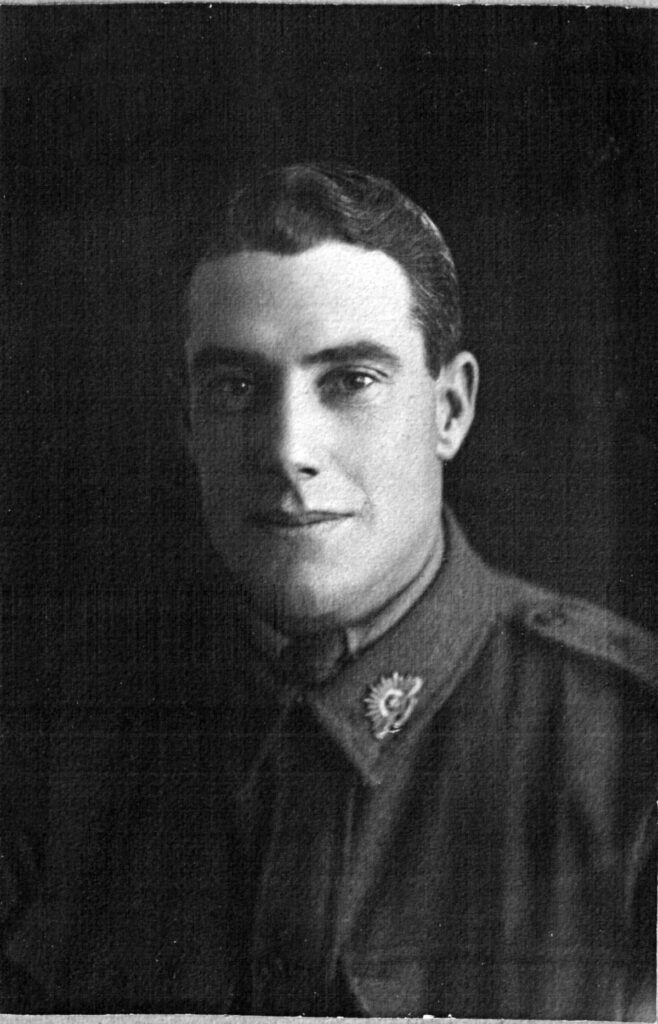
William A Clift.

Fifty Breeza and district young men enlisted for service – nine were killed in action or died of wounds or illness (William Bailey, Douglas Clift, Albert Goodsir, James Delve, Russell Johnson, Victor Johnston, Charles Jones, Lawrence Leslie and John Soady).
The Clift families of Breeza and the Hunter Valley were well represented in the AIF ranks, one of whom failed to come home. Joseph Dudley Clift, known as Dudley, was descended from Samuel Clift, pioneering landholder in the Breeza district, and was a stock and station agent in Maitland when he enlisted in March 1915.
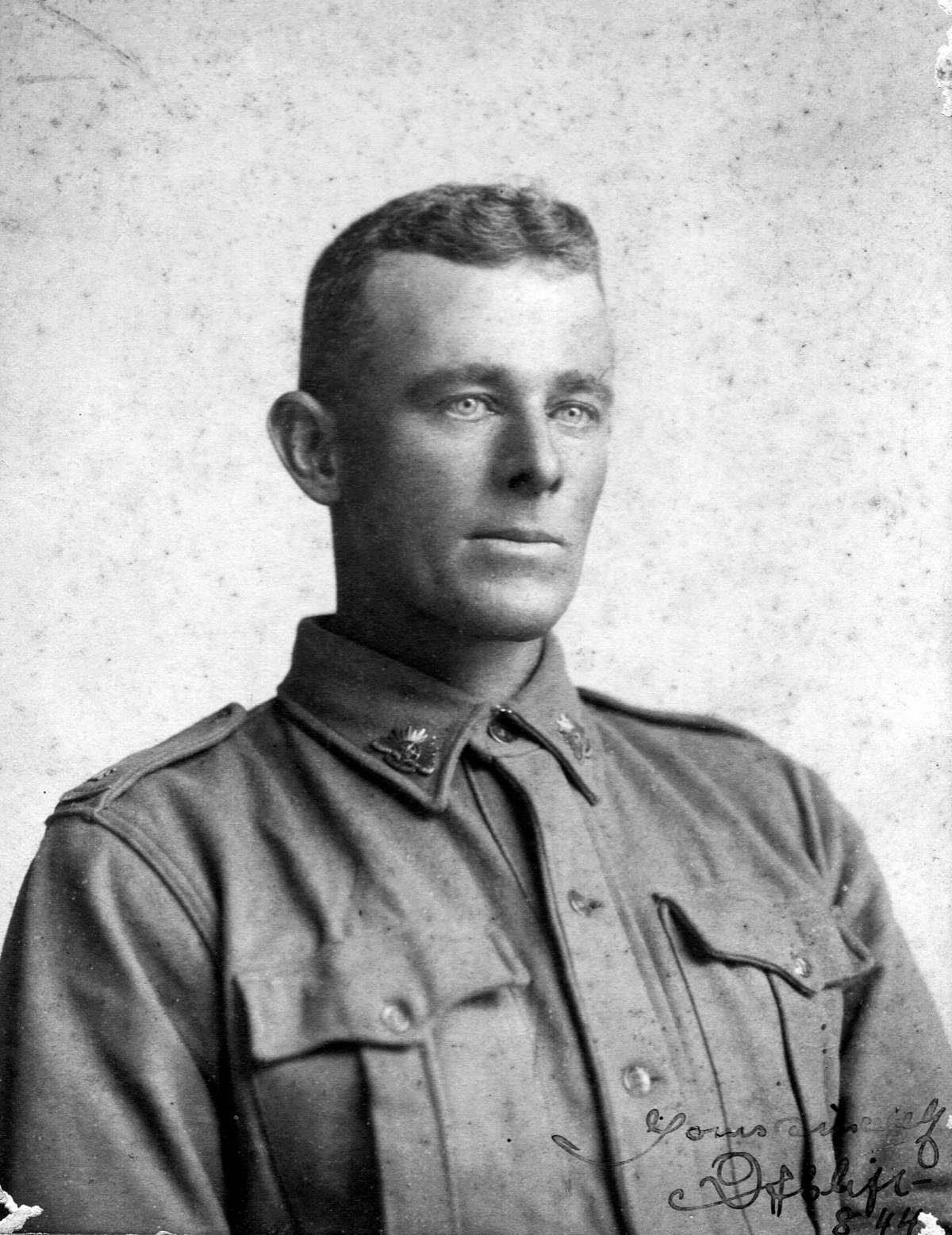
Joseph Dudley (known as Dudley) Clift, killed in the Great War. He was descended from the Clift family patriarch Samuel Clift, who took up large tracts of land in the Breeza district from the late 1830s.
Aged 31 and a strapping six-footer, he was posted to the 20th Battalion and left Australia on the troopship Berrima on 26 June. He arrived on Gallipoli in mid-August 1915, remaining there until he was sent to hospital in Malta prior to the evacuation in December.
On recovery he was sent to the Western Front and was involved in action at Armentieres, Pozieres and the Somme. He was promoted to corporal but after several months of hospitalisation and treatment for illness in 1916, he reverted to the ranks at his own request.
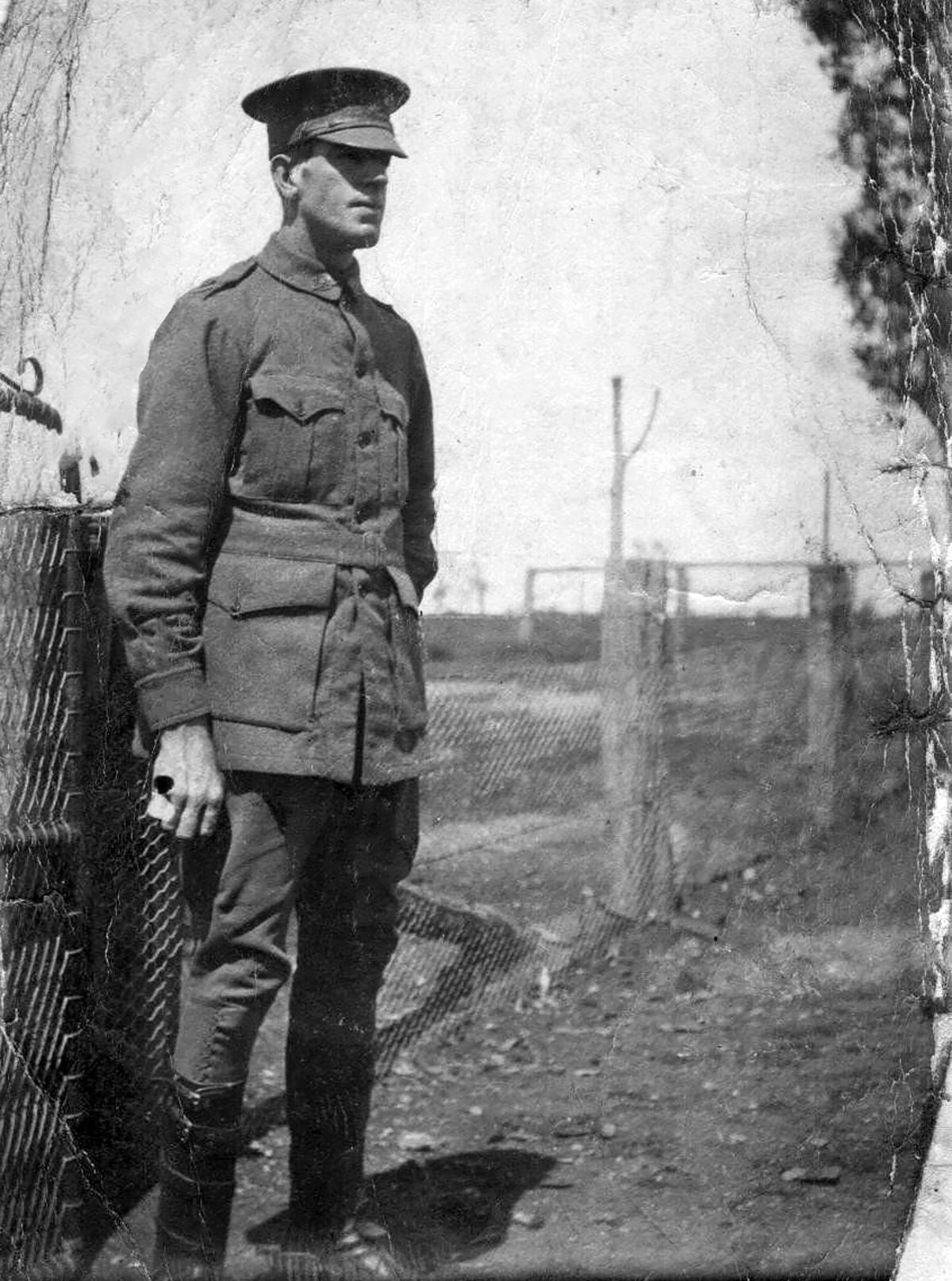
Joseph Clift served in the 1st Light Horse Regiment in the desert campaign before returning to Australia on medical discharge.
Private Clift was carrying rations to the front on 3 March 1917, when he received five shrapnel wounds from a random high-explosive shell. Several members of his unit were killed but private Clift, though wounded, was able to walk out of the danger zone. He was taken to Rouen but died 25 days later from the effects of multiple wounds, suspected enteric fever and blood poisoning. He was buried in Rouen Military Cemetery.
Two of Dudley Clift’s brothers also served. Harold Digby Clift enlisted in August 1915 and ended up on the Western Front. He was awarded the Military Medal for bravery in the field in August 1917. He was wounded three times and tragically his right leg was amputated on the last occasion.
Trooper Geoffrey Edward Clift joined up in May 1917 and was attached to the 7th Light Horse. He came home in March 1918 and was given a medical discharge.
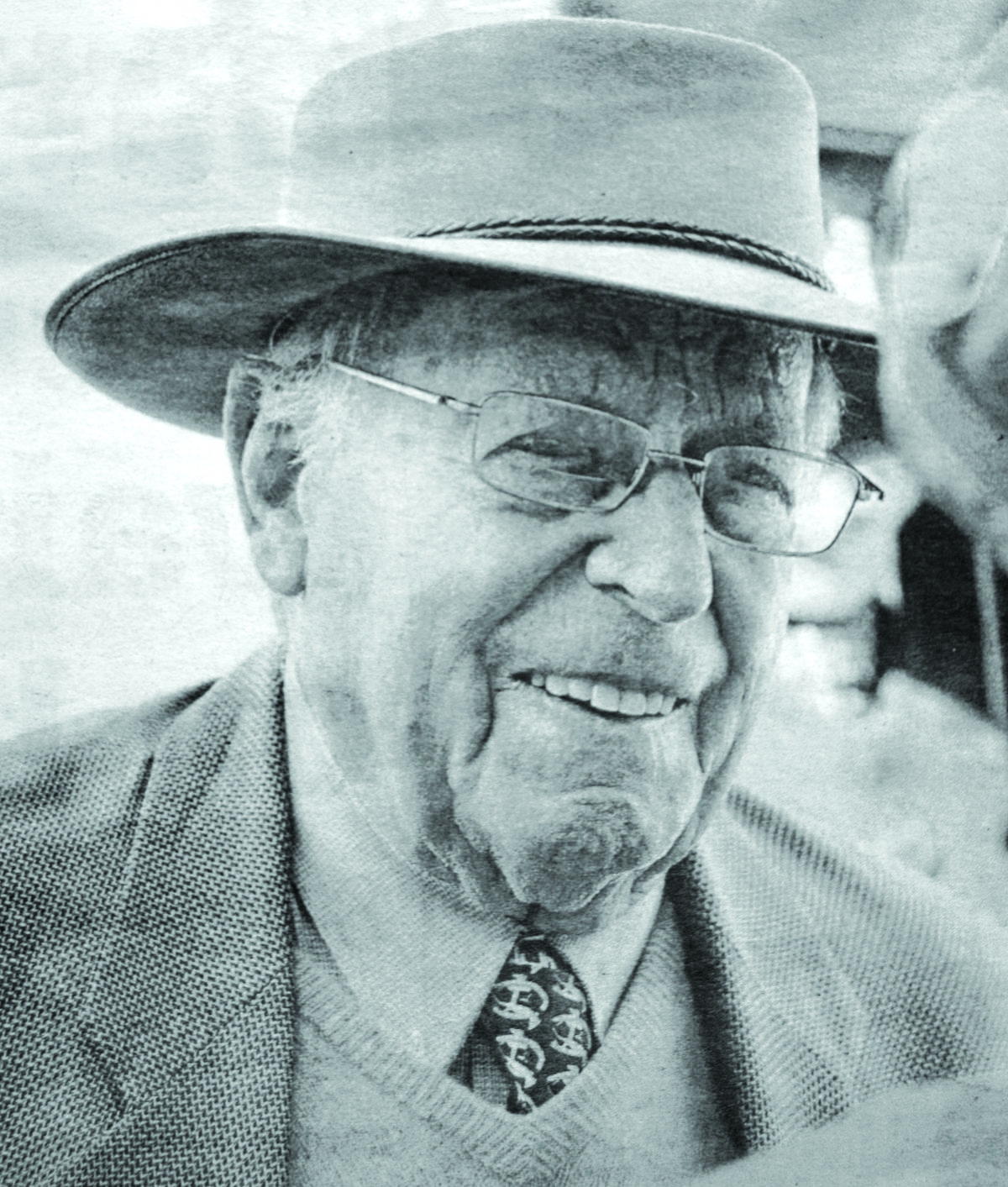
John Clift.
Three cousins from Breeza also saw service in the Great War – and all three returned home. The boys were the sons of John Branxton Clift (J.B.) and his wife Mary, known as Kate, of the consolidated Clift family holdings known as Breeza Station.
John Clift was the grandson of pioneering pastoralist Samuel Clift, who came to the Breeza area in the 1830s, taking up a squatting run he named Doona in 1837 and adding Mooki Run in the same year, as well as Breeza in 1849 and Weia Weia in 1854. The consolidated Clift landholdings totalled 198,300 acres and stretched from Spring Ridge and Goran Lake in the west to the ranges east of Werris Creek. Clift became the best-known farming and pastoral name in the North West.
Arthur Branxton Clift and William Ambrozoli Clift enlisted for war on the same day (22 July 1915) and both were drafted into the 2nd Division, 5th Field Artillery Brigade. Both returned home in 1917, discharged as medically unfit, after having taken part in some of the heaviest engagements of the war in 1916.
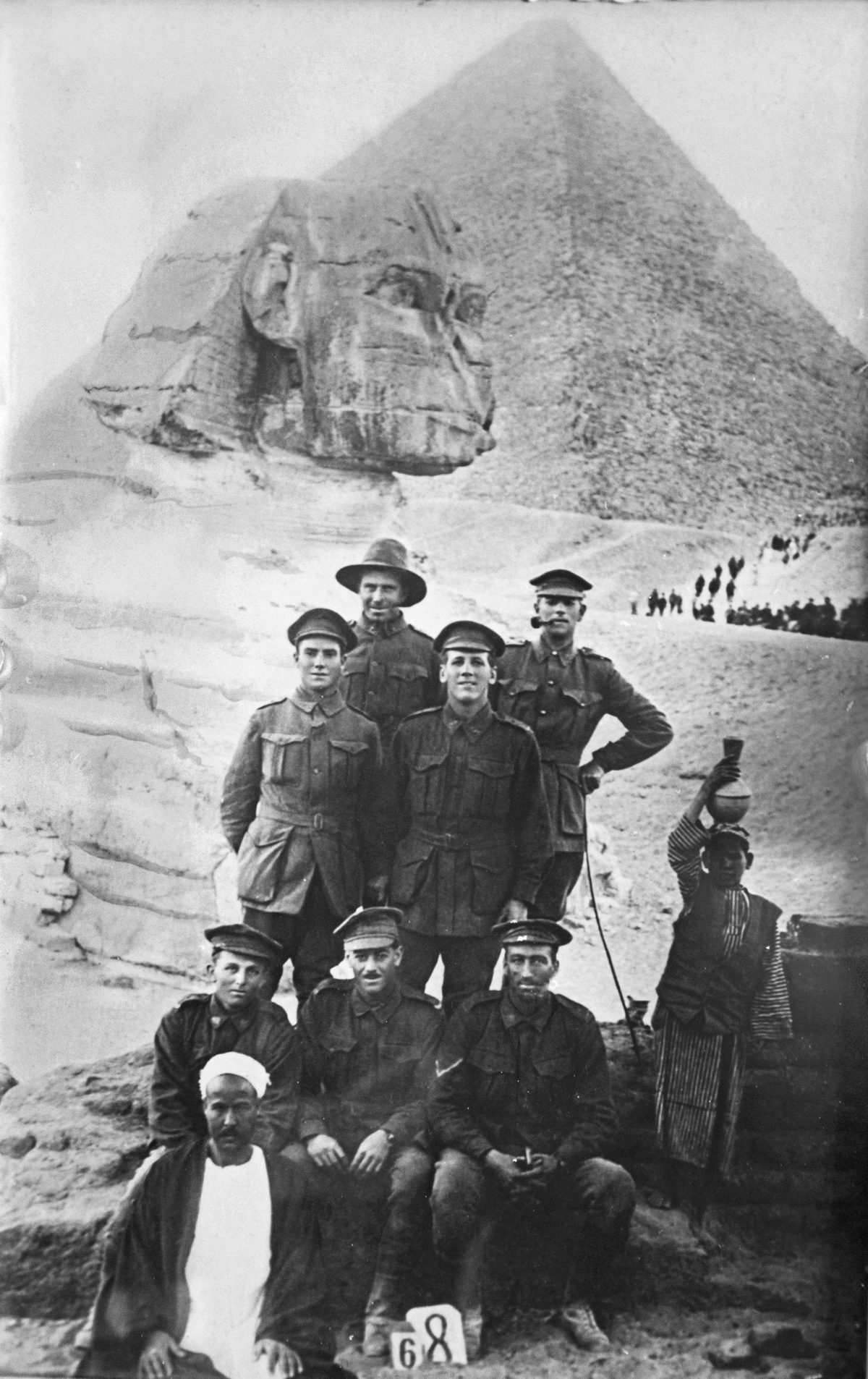
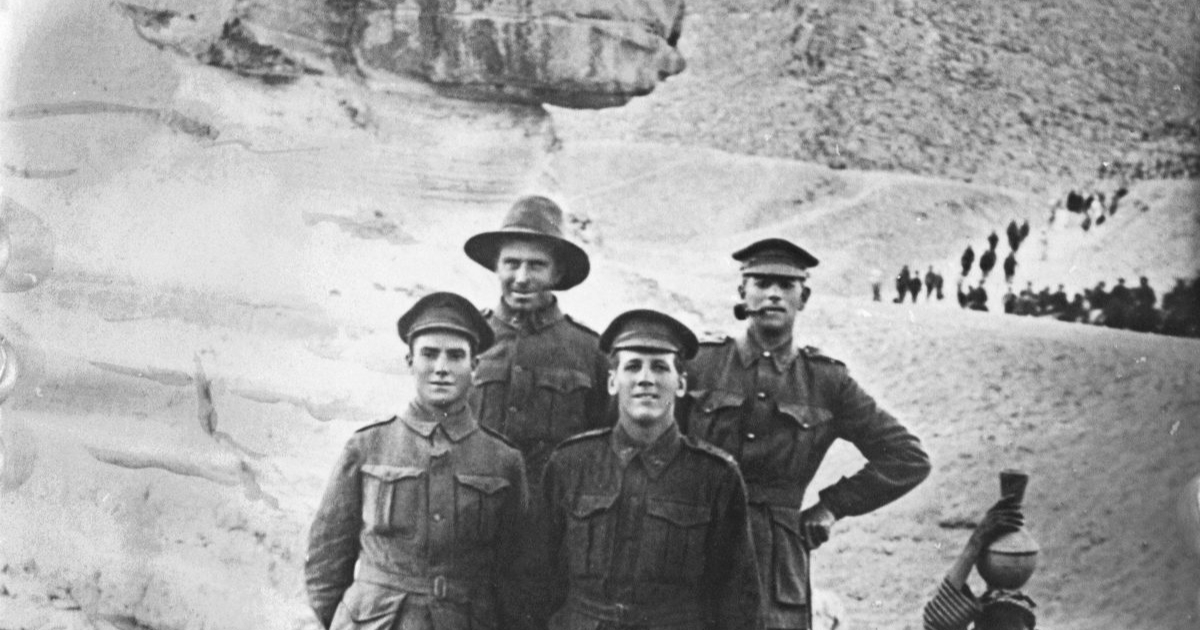
William A Clift, standing, front row, left, with his brother Arthur behind him in front of the Sphinx outside Cairo. The photo was taken on 2 January 1916, as the brothers trained for their despatch to the Western Front.
The 2nd Division was involved in the battle of Fromelles in July 1916 and the follow-up bloodbath at Pozieres. In 12 days, the 2nd Division suffered 6,848 casualties at Pozieres, William Clift noting in his diary that on his way to the battle line all he could see was “wagon after wagon carting wounded to the emergency dressing station”. He wrote that “the stench of death was awful”.
His health deteriorated through 1916 and after hospitalisation on several occasions, his army medical report (February 1917) disclosed that he was “quite unfit” for further service, suffering from neuralgia and shell shock, characterised by headaches, poor sleep and bad dreams, tremors, giddiness, memory impairment and hyper-sensitivity in the feet. He was considered to have “total incapacity” at the time and was listed as totally unfit for general service and he left England on the Thermistocles on 17 June 1917, bound for home.
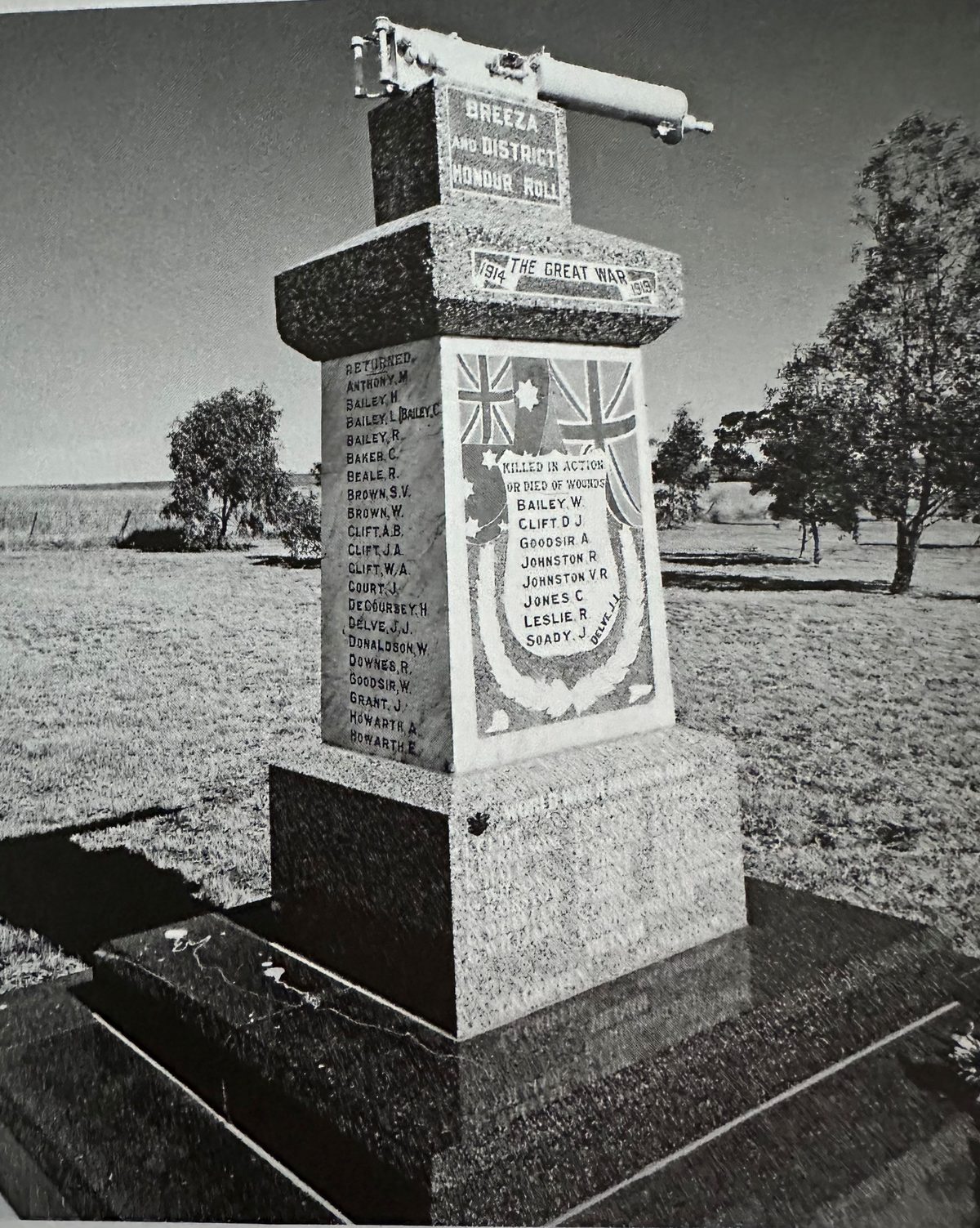
The Breeza War Memorial.
Arthur Branxton Clift served in France until September 1917 until he was sent to Kitchener Military Hospital in England suffering from heart strain and shell shock. He was also listed for medical discharge and returned to Australia on the troopship Port Darwin.
A third Clift brother, Joseph Allen, served in the 1st Light Horse Regiment in the desert campaign, in action in the Sinai, Palestine, Gaza, Amman and Es Salt before he returned to Australia and was given a medical discharge.
Extract from the Gunnedah & District Historical Society publication In The Line of Fire edited by the late Ron McLean.
To order photos from this page click here