THE coalition has unveiled its $300m biosecurity investment, including further measures to address feral pig numbers, if it is successful at next year’s state election.
Agriculture is a leading contributor to the NSW economy, worth $25.5bn per year. The North West region is a significant contributor to the state’s agricultural economic output.
Acknowledging the importance of the sector, The NSW Liberals and Nationals said it is one of the state’s most important industries yet farmers face a system weighed down by excessive regulation, rising costs, and decisions made far from regional communities.
The coalition’s plan includes improved on-ground action and local coordination across all tenures with more boots on the ground, a shift to five-year funding for pest animal control programs in line with the Natural Resources Commission’s recommendation, increased funding for control programs meaning more pigs are killed, and more and better traps.
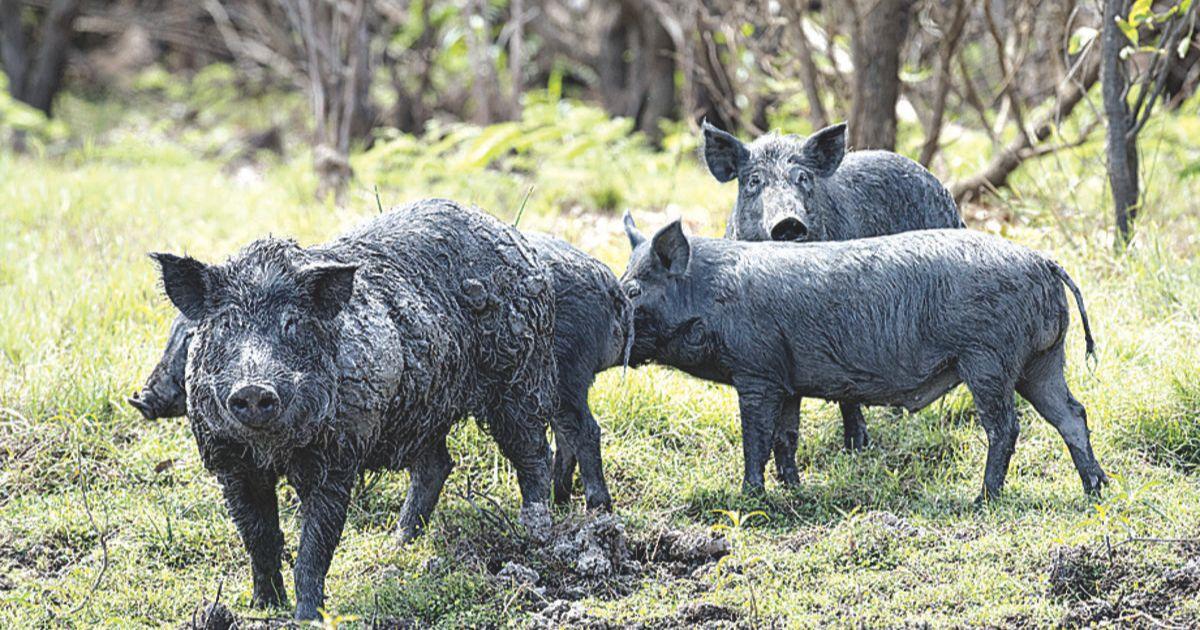
Addressing the issue of feral pig numbers is the key priority of the plan and includes a trial of a targeted bounty scheme for feral pigs, aerial shooting over more country for longer periods, thermal imaging and drone technology to detect and track pigs, and exclusion fencing to protect environmental and agricultural assets.
Support for baiting, shooting and trapping programs is also among the priorities, as well as increased legal requirements for public land managers to manage pest animals, more targeted research for biological and other novel controls, and establishing permanent regional rapid response teams to target outbreaks before populations expand.
NSW opposition leader Kellie Sloane said she had seen first-hand the devastating impact of feral pigs on the farming sector, eating new-born lambs, damaging water sources, fences and pasture, and raiding agricultural crops.
“Without urgent action on biosecurity, our agricultural industries are at serious risk,” she said.
NSW Nationals leader Gurmesh Singh said under the Labor government’s watch, feral pigs and other invasive species are running rampant.
“Through commonsense measures, we are committing to reducing the number and impact of feral pigs across NSW,” Singh said.
“Put simply, this investment means stronger biosecurity and less pigs.”
Shadow agriculture minister and the Member for Northern Tablelands, Brendan Moylan, said farmers are sick of reviews, reports and roundtables that end up gathering dust on the minister’s shelf on Macquarie Street.
“We know feral pigs are causing enormous damage to crops, livestock and the environment. The time for talking has passed, it’s time to act, and that’s what we will do,” Moylan said.
Invasive Species Council chief executive officer Jack Gough said invasive species are the No. 1 driver of animal extinctions in Australia and one of the greatest threats to Australian rivers and landscapes.
“Numerous reviews have found that pest management in NSW is unstrategic, short term and underfunded. This needs urgent change,” Gough said.
“This $300m boost is a serious proposal that means more boots on the ground and eyes in the field dealing with this worsening problem.
“The proposal to increase the legal expectations on public land managers for feral animals is also an important recognition that many Crown land managers are failing to protect the environment and communities from feral animals.”
To order photos from this page click here